Layered Dreamcatcher: A Designer's Practical Review
As a designer who has spent years navigating the intersection of digital files and physical thread, I approach every new asset with a critical eye. The market is flooded with generic patterns, but finding a machine embroidery design that translates well from screen to fabric is a different challenge entirely. When I first opened the files for the Layered Dreamcatcher, my immediate reaction was one of cautious optimism. This isn't just a flat outline; it is a structured 3D SVG template designed to create depth through layering. For those of us building a craft business or curating an Etsy shop, visual depth is often the difference between a product that sits on a shelf and one that gets picked up.
The First Impression: Mood and Visual Weight
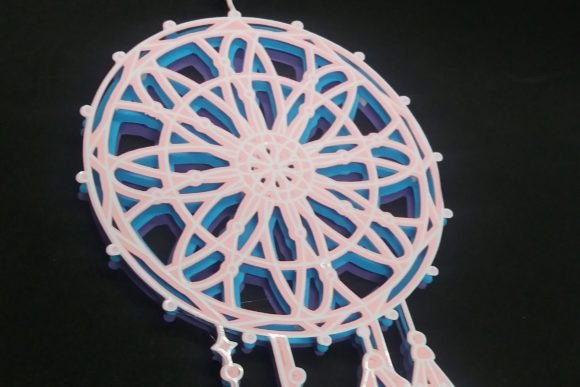
The aesthetic of the Layered Dreamcatcher leans heavily into the bohemian and spiritual niches, which remain evergreen in the Home Décor sector. The layout suggests a complex interplay of circles, feathers, and webbing that relies on distinct layers to achieve its three-dimensional effect. Unlike standard single-layer cuts, this design demands attention to the order of operations. The visual personality is soft yet intricate, making it feel like a natural fit for nursery decor or a calming bedroom accent. However, as a reviewer, I immediately began mentally mapping out how this would behave under a needle. The density of the webbing areas raises questions about stitch density and potential puckering if not managed correctly.
Real-World Application: From File to Fabric
To truly evaluate this asset, I need to place it in a scenario. Imagine you are preparing a custom embroidered tote bag for a local craft fair. You want something that screams "handmade" but looks professional enough to command a higher price point. The Layered Dreamcatcher offers a unique opportunity here. If executed as an applique design using felt or cotton scraps for the background layers, the dreamcatcher could pop off the canvas of the tote bag with stunning clarity.
I also see strong potential for sweatshirt embroidery. Picture a heavy-weight hoodie in a neutral oatmeal color. Placing a large-scale version of this design on the back, utilizing a mix of satin stitch for the outer hoops and a tight fill stitch for the inner web, would create a textured focal point. Customers looking for personalized gifts often gravitate toward items that look substantial. The layered nature of this file allows for exactly that. It transforms a simple garment into a statement piece. For an Etsy seller, this kind of visual impact is crucial for driving engagement in your listings.
Conversely, consider a smaller application, such as a baby bib or a cap. Here, the complexity of the Layered Dreamcatcher becomes a hurdle. The tiny details in the feathers and the fine lines of the web might get lost on a curved surface like a cap or a small hoop. In these cases, the design requires significant simplification. You cannot simply shrink a complex 3D file without risking tangled threads and registration errors. This is a vital lesson for any small shop owner: versatility depends on knowing when to scale down and when to simplify.
Navigating Technical Challenges
While the visual appeal is high, the technical execution requires precision. One of the primary concerns with multi-layer designs is the choice of stabilizer. Because this design involves multiple elements sitting on top of one another, a standard cutaway might not be enough. You will likely need a tear-away or even a water-soluble stabilizer to ensure the layers adhere properly without adding bulk that distorts the shape. If you are working with textured fabrics like denim or canvas, the risk of the needle missing the intended spot increases, especially in the dense center of the dreamcatcher.
Another critical factor is thread colors. The success of a layered design often hinges on contrast. If you use similar shades for all layers, the 3D effect vanishes, leaving a muddy mess. I recommend testing this in black and white mockups first to visualize the value differences before committing expensive thread. For custom apparel, using a contrasting thread for the webbing against a solid background layer can dramatically enhance the perception of depth.
Furthermore, we must discuss hoop size. The full extent of the Layered Dreamcatcher likely requires a larger hoop to accommodate the wingspan of the feathers and the circular frame. Attempting to stitch this in a 4x4 inch hoop would force you to split the design, which breaks the flow and introduces alignment risks. Always check the bounding box dimensions of your embroidery file before purchasing materials. If you are producing commercial embroidery items in bulk, consistency is key, and frequent re-hooping introduces variables that can ruin a production run.
Strategic Advice for Designers and Makers
If you decide to incorporate the Layered Dreamcatcher into your portfolio, start by testing the design on scrap fabric. Do not skip this step. Run a test to check the tension, the running stitch quality on the outlines, and how the layers interact physically. Look closely at the corners and the tips of the feathers; these are common failure points where threads can bunch up or break.
For those selling finished goods, think about the end-user experience. Will this item survive frequent washing? Dense fill stitch areas can sometimes cause fabric distortion over time, particularly on stretchy materials like jersey knit. If you are creating baby embroidery items, ensure the backing is secure so that no loose threads pose a choking hazard. Safety and durability are non-negotiable for handmade products meant for children.
Finally, verify the licensing terms included in your download. The description mentions a PDF with instructions, but you must confirm whether the license covers digital product sellers who wish to sell the file itself or only the finished stitched items. Many designers assume they can resell the file, which leads to legal issues. Clarify if this is for personal use, commercial merchandise, or both before listing it in your shop.
Final Verdict on Value and Versatility
The Layered Dreamcatcher is a powerful tool for elevating the perceived value of your work. When used correctly on the right substrate, it creates a premium look that justifies a higher price tag. It adds a layer of sophistication that separates mass-produced items from true artisanal work. However, it demands respect for the machine's limitations and the fabric's behavior. It is not a "load and go" design for beginners; it is a project for the thoughtful maker who understands the mechanics of embroidery projects.
Whether you are crafting a holiday gift, stocking a boutique, or fulfilling a custom order, this design offers a pathway to create memorable pieces. Just remember to test thoroughly, choose your stabilizers wisely, and let the layers breathe. With careful planning, the Layered Dreamcatcher can become a signature element in your collection, proving that a well-executed digital file can indeed transform into a tangible work of art.