Mini Carrots and Garden Box DIY Template Review
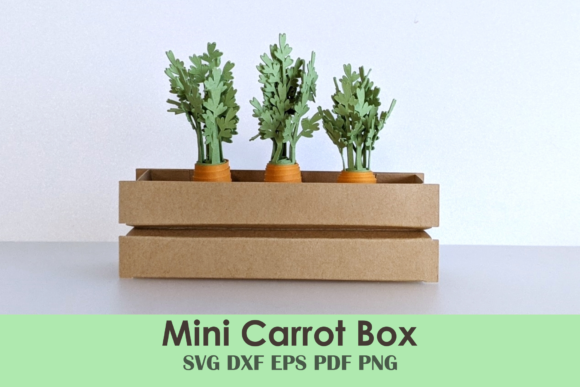
As a designer who has spent years curating assets for both personal craft projects and commercial embroidery lines, I approach every new digital file with a critical eye. The market is flooded with generic patterns, but finding a machine embroidery design that balances whimsy with structural integrity is rare. When I first opened the Mini Carrots and Garden Box DIY Template, I was immediately struck by its potential to elevate simple handmade products into boutique-quality items. This isn't just another garden-themed clipart; it is a structured 3D SVG asset designed to create depth, specifically featuring a creased side to replicate an above-ground planter and an insert to bring the veggies up to eye level.
The First Impression: Visual Weight and Mood
In the world of digital product sellers and Etsy sellers, the initial visual impact determines whether a customer clicks "add to cart." The Mini Carrots and Garden Box DIY Template exudes a cozy, harvest-ready mood without feeling cluttered. The layout suggests a playful narrative where the carrots are peeking out from a wooden box, creating a sense of discovery. For a craft business owner looking to expand their spring or autumn collection, this design offers immediate recognition. It fits perfectly into categories like nursery decor, kitchen textiles, and personalized gifts.
However, as a professional reviewer, I look beyond the pretty preview. The classification of this item under Shapes indicates that the focus is on clean silhouettes and defined edges rather than intricate shading. This is a crucial distinction for embroidery project planning. Clean shapes usually translate better to fill stitch applications, ensuring that the final finished product remains crisp even after multiple washes. The "creased side" detail mentioned in the overview is particularly interesting; it implies a geometric construction that can mimic 3D effects through thread texture alone, which is a sophisticated touch for custom apparel.
Real-World Application: From Hoop to Home
Let's imagine a real scenario: I am preparing a batch of custom embroidered tote bags for a local farmer's market pop-up. The goal is to sell durable, stylish bags that appeal to gardeners and home cooks. Using the Mini Carrots and Garden Box DIY Template here would be strategic. The sturdy outline of the garden box works well on canvas, a fabric that often struggles with delicate details. By using a contrasting thread color for the carrots against a neutral bag background, the design pops instantly.
Consider also the application on a sweatshirt embroidery piece. The soft fleece material requires careful handling of stitch density. If the design were too dense, the fabric would pucker. Fortunately, the nature of this template, focusing on distinct shapes, allows for open fill areas. This ensures the garment remains comfortable while showcasing a high-quality handmade product. For parents looking for baby embroidery, this design could be scaled down for a onesie or a bib, provided the hoop size accommodates the smallest carrot details without losing definition.
The versatility extends to holiday embroidery and gift-giving. Imagine a set of kitchen towels or aprons featuring this design. The "garden box" theme resonates deeply with the target audience for these items. Whether sold as a standalone small shop product or part of a larger bundle, the visual personality of the Mini Carrots and Garden Box DIY Template adds value. It transforms a standard cotton towel into a conversation starter, increasing the perceived value and justifying a higher price point.
Navigating Technical Challenges and Fabric Textures
While the design is promising, experienced designers know that no file is perfect for every situation. There are specific contexts where the Mini Carrots and Garden Box DIY Template requires extra caution. The "creased side" feature, while visually appealing, introduces angles that can be tricky on curved surfaces. Attempting to embroider this on a cap or a rounded hat brim might distort the geometry of the box. The curvature could cause the straight lines of the planter to bow, ruining the illusion of depth.
Fabric choice is equally critical. On textured fabrics like heavy denim or thick wool, the fine details of the carrot tops might get lost if the hoop size is too small. Similarly, on very thin or stretchy fabrics, the tension required to hold the stabilizer in place could cause the design to warp. I always recommend testing the design on scrap fabric first. This step is non-negotiable for maintaining professional standards. You need to see how the running stitch outlines behave against the grain of your material and ensure the stabilizer provides enough support without showing through the back of the work.
Another consideration is color contrast. The design relies on the separation between the box and the carrots. On dark fabrics, you must choose light thread colors carefully to avoid a muddy appearance. Conversely, on white or cream backgrounds, the applique design style of the box might require a backing layer to prevent show-through. Always review the design in black and white mockups before committing to expensive materials. This helps identify any potential issues with line weight or spacing that might not be obvious in full color.
Strategic Value for Commercial Embroidery
For those running a craft business or selling on platforms like Etsy, consistency is key. The Mini Carrots and Garden Box DIY Template offers a cohesive look that can become a signature element of your brand. Using this embroidery file across various product lines—tote bags, patches, pillow covers, and tea towels—creates a recognizable aesthetic. Customers begin to associate your shop with this charming garden motif, building customer trust and brand loyalty.
The design also lends itself well to personalized gift creation. Adding a name or a date alongside the garden box elevates the item from a generic decoration to a meaningful keepsake. However, when adding text, ensure the font size matches the scale of the carrots. Tiny lettering next to large shapes can look unbalanced. Always check the overall composition to maintain visual harmony.
From a commercial standpoint, understanding the licensing is vital. Before listing any commercial embroidery items for sale, confirm that the license allows for the production of physical goods. Some digital assets are for personal use only, which can lead to legal issues if you start selling finished products. Assuming the license permits it, this template is a valuable addition to your design assets library. It offers a unique twist on the popular gardening trend, setting your work apart from competitors using standard floral patterns.
Final Verdict: A Practical Asset for Makers
In conclusion, the Mini Carrots and Garden Box DIY Template is a strong contender for designers seeking to add dimension and charm to their portfolios. Its focus on clear shapes and 3D-like structures makes it suitable for a wide range of embroidery projects, from embroidered patch creations to tote bag designs. While it requires careful attention to fabric choice and hoop placement, especially regarding the angled elements of the box, the payoff is a high-quality, visually engaging result.
For the creative entrepreneur or the hobbyist looking to take their skills to the next level, this design offers a practical path to creating professional-grade items. By following best practices—testing on scraps, choosing the right stabilizer, and considering the end-use—you can leverage this template to produce beautiful, sellable goods. It is a reminder that sometimes, the most effective designs are those that tell a simple story with clarity and confidence. Whether you are making a printable mockup for your website or stitching the final piece for a client, this template delivers on its promise of bringing the garden to life, one stitch at a time.